
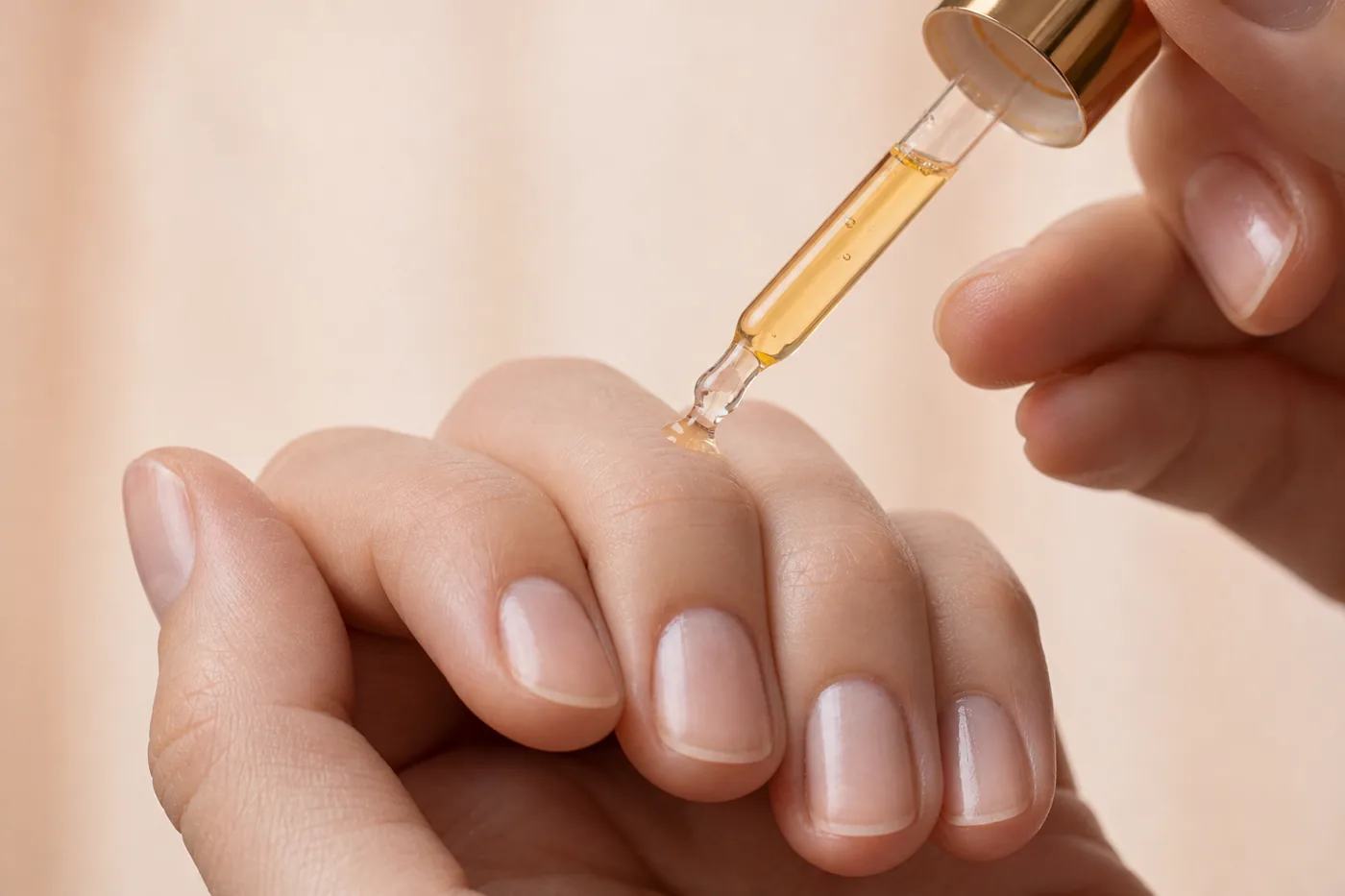
Neat cuticles make any manicure look expensive – even bare nails. But cuticles are also one of the most misunderstood parts of nail care. Should you cut them? Push them? Oil them? Here’s a simple, nail-friendly routine.
What are cuticles, exactly?
People use “cuticle” for two different things:
- The true cuticle: a thin layer of dead, transparent skin that sticks to the nail plate as it grows. This can be gently removed.
- The eponychium (often called the cuticle too): the living skin at the base of the nail. It seals and protects the nail matrix from bacteria. This should never be cut.
Keeping this difference in mind is the key to healthy cuticles.
Should you cut your cuticles?
Most dermatologists recommend not cutting the living skin around your nails. Cutting it can cause small wounds, infections and – ironically – thicker, more ragged skin as it heals.
What you can do safely:
- gently push back the skin,
- remove the dead true cuticle from the nail plate,
- trim hangnails (small loose pieces of skin) with clean, sharp nippers.
A simple weekly cuticle routine
- Soften: after a shower, or soak your fingertips in warm water for 2–3 minutes. You can also apply a cuticle remover gel.
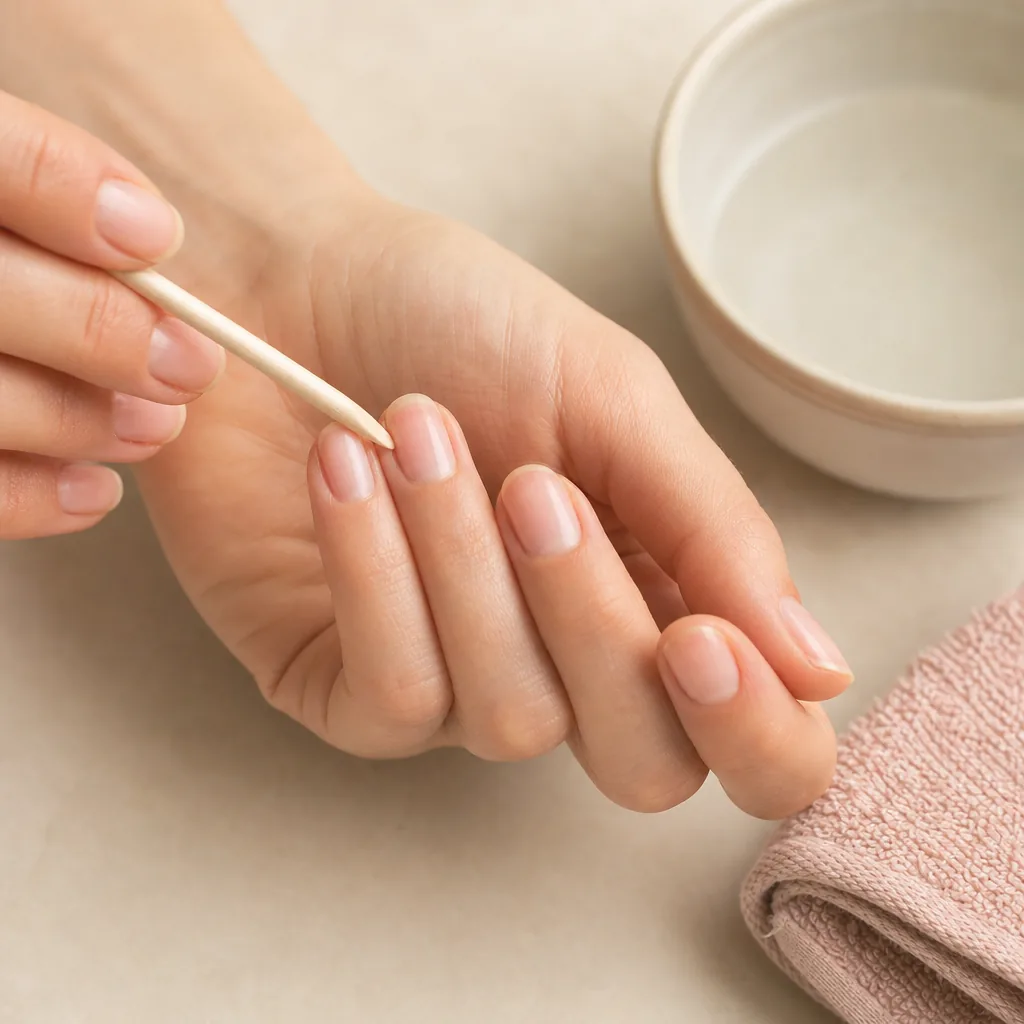
- Push back gently with a wooden orange stick or a rubber-tipped pusher. Never force.
- Remove the dead skin from the nail plate with gentle circular movements.
- Trim only hangnails, never the living skin.
- Wash and dry your hands.
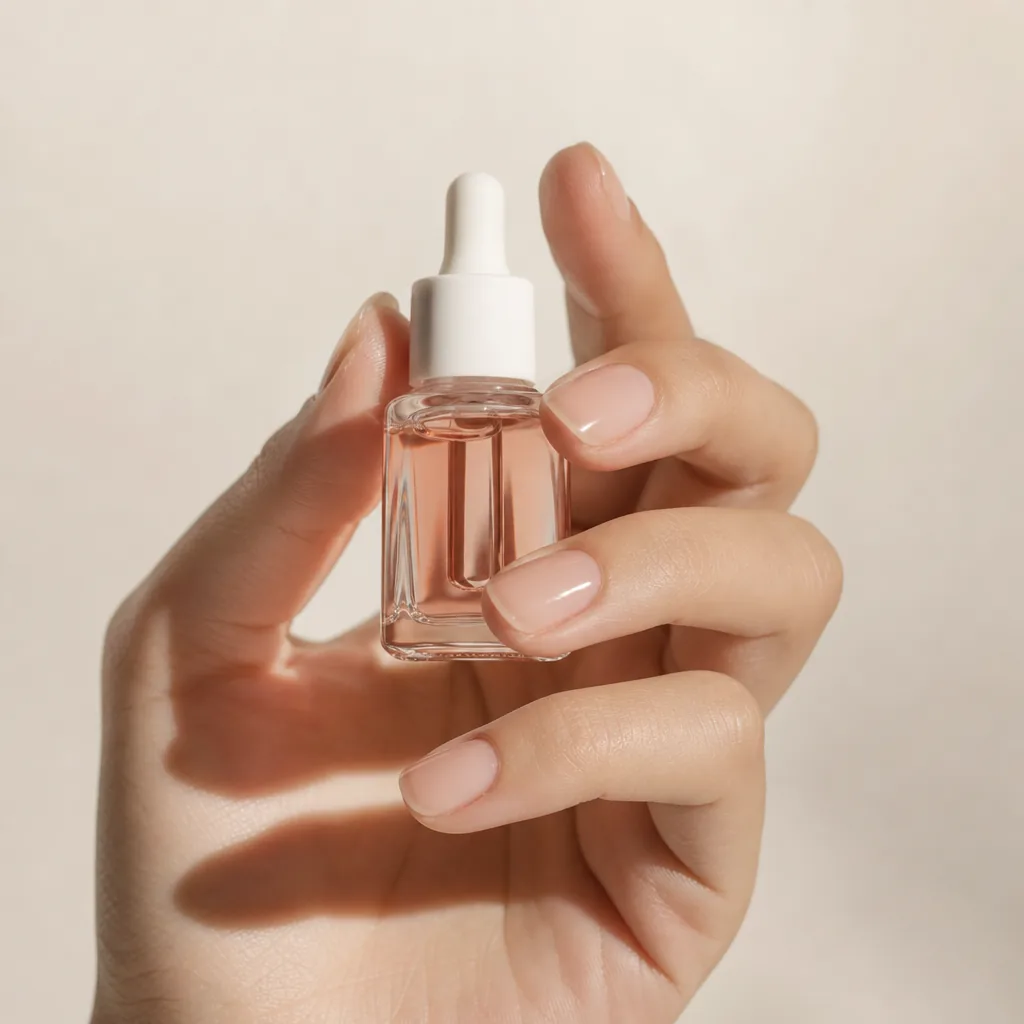
- Apply cuticle oil and massage it in.
Dayli tip: Keep a cuticle oil pen in your bag and next to your sink. Applying oil every time after you wash your hands for two weeks makes a visible difference to dry, ragged cuticles.
Daily cuticle care
- Cuticle oil once or twice a day – jojoba-based oils absorb well.
- Hand cream after washing your hands.
- Gloves for cleaning, washing up and cold weather.
- Don’t pick or bite – it’s the fastest way to get hangnails and infections.
Common cuticle problems (and what to do)
| Problem | Likely cause | What helps |
|---|---|---|
| Dry, cracked cuticles | Cold weather, water, sanitiser | Oil several times a day, hand cream, gloves |
| Hangnails | Dryness, picking | Trim cleanly, then oil |
| Thick, ragged skin | Cutting or tearing cuticles | Stop cutting, push back and oil |
| Red, swollen, painful skin | Possible infection | See a doctor or pharmacist |
Cuticles and manicures
A clean cuticle area is what makes gel polish last and look neat. The Russian manicure is built entirely around precise cuticle work done with an e-file by a trained technician – see our Russian manicure guide. For gel or BIAB, good prep at the cuticle also prevents lifting. Read more in our gel manicure guide and BIAB guide.
Frequently asked questions
How often should I push back my cuticles?
Once a week is enough. Doing it every day can irritate the skin.
Is cuticle oil really necessary?
It’s the single most effective habit for healthier cuticles and stronger nails. It keeps the skin flexible and helps prevent hangnails and splits.
Can I use olive oil or coconut oil?
Yes, in a pinch. Dedicated cuticle oils (often with jojoba) absorb more easily and feel less greasy.
The bottom line
Healthy cuticles come from gentle care, not cutting: soften, push back, remove only dead skin, and oil every day. Within a few weeks, your manicures will look cleaner and last longer. For stronger nails overall, read about the healthiest fake nail options.